Being asked to deliver a eulogy is one of the highest honours a family can offer - and one of the most daunting tasks you will ever face. You are expected to capture an entire life in five to ten minutes, in front of a room filled with grief, while managing your own. This guide gives you a clear structure, practical writing advice, and real examples to help you honour your loved one with the words they deserve.

What Is a Eulogy?
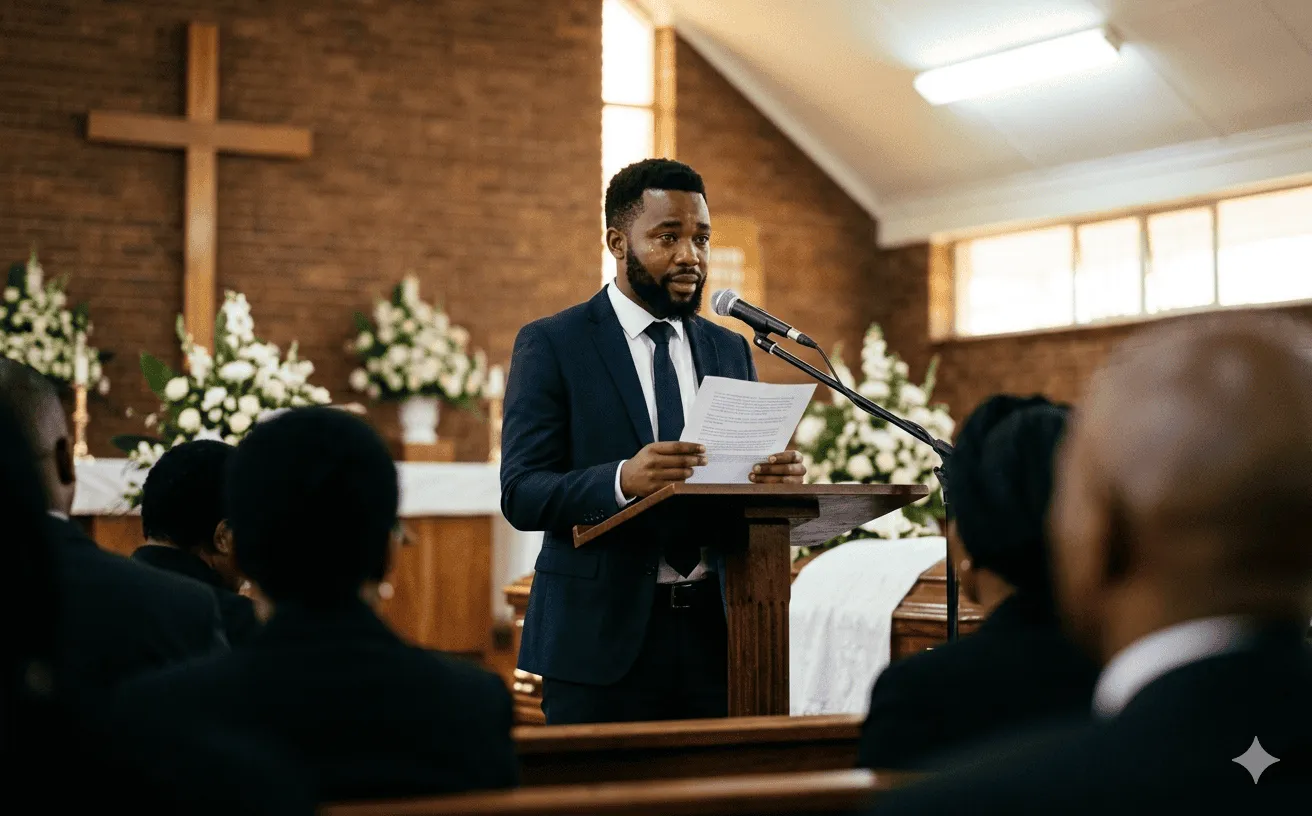
A eulogy (from the Greek eulogia, meaning "good words") is a speech delivered at a funeral or memorial service that celebrates the life of the person who has died. It is not the same as the obituary - which is a factual summary of the person's life, education, career, and survivors. The eulogy is personal, emotional, and told from the heart.
In South African funerals, eulogies are a central part of the service. It is common for 4-8 people to speak - a child, a sibling, a colleague, a church member, a friend - each offering a different perspective on the person's life. According to guidelines from the Anglican Church of Southern Africa and many other denominations, the eulogy should be "honest, loving, and brief."
A Simple Structure That Works

You do not need to be a public speaker or a writer. You need a clear structure and honest words. Here is a five-part framework that works for any eulogy:
1. Opening - Introduce yourself and your connection
Start by telling the audience who you are and how you knew the deceased. This is especially important at South African funerals, where attendees include neighbours, colleagues, church members, and community networks who may not know every speaker personally.
2. Who they were - Paint a portrait
Describe the person's character, not just their achievements. What made them distinct? What was their personality like? What would people remember about being in a room with them?
Use specific, sensory details. Instead of "She was kind," say "She would cook an extra plate of food every Sunday and walk it across the street to MaJoyce, who lived alone." Details make a eulogy memorable.
3. A story - One meaningful moment
Choose a single story that reveals something true about the person. The best eulogy stories are small and specific - not the grand milestones (graduation, wedding), but the ordinary moments that made them who they were.
4. Their impact - What they meant to others
Talk about how the deceased affected the people around them. This can include direct quotes from family members, a pattern you noticed over the years, or the legacy they leave behind.
5. Closing - A farewell
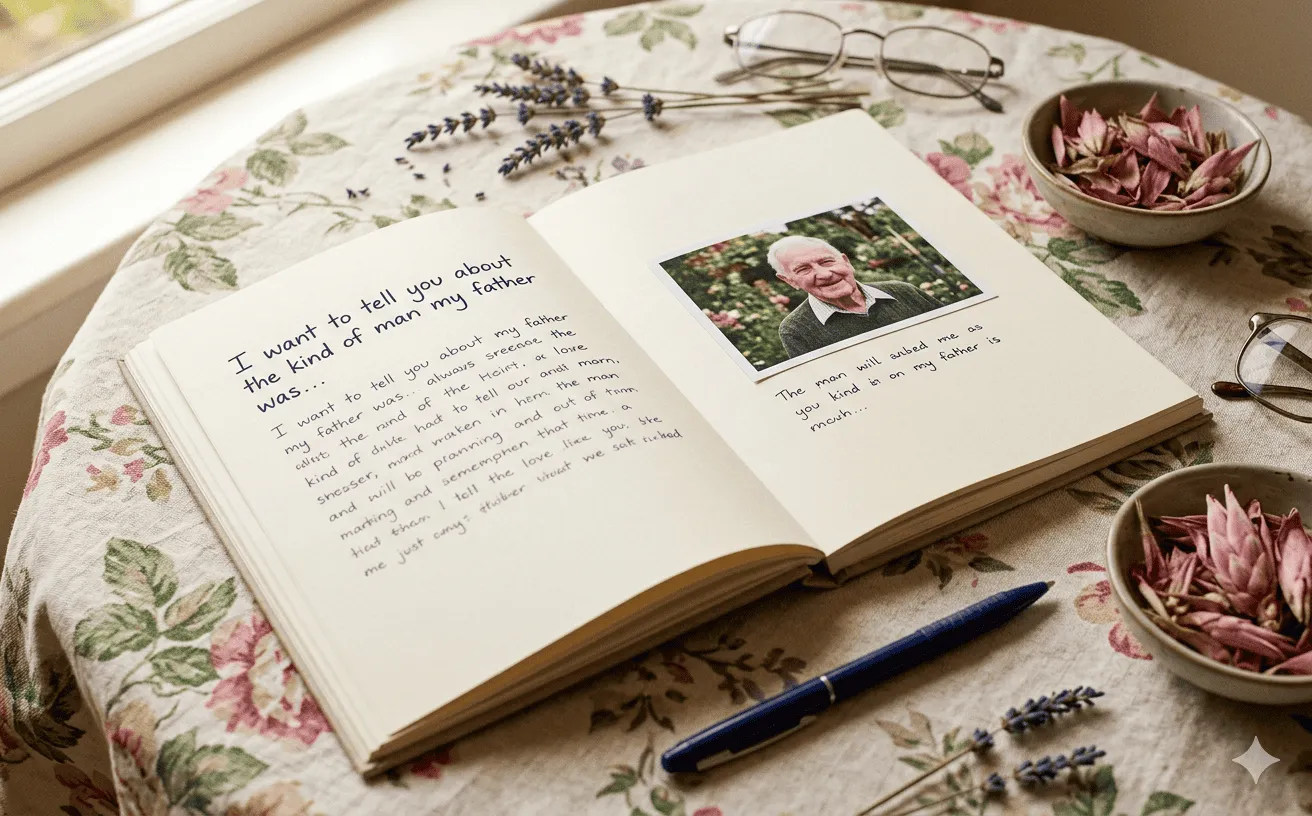
End with a direct address to the deceased, a final thought, or a simple farewell. This is the most emotional part, and it is perfectly acceptable to keep it short.
How Long Should a Eulogy Be?
Aim for 4-7 minutes. That translates to roughly 600-1,000 words when read at a natural speaking pace. In a South African funeral with multiple speakers, keeping each eulogy under 7 minutes is respectful of the programme and of the other people who want to speak.
Time yourself reading aloud at least once before the funeral. People almost always speak more slowly at the actual event than in practice - emotion, pauses, and the weight of the moment add time. If your draft takes 6 minutes in practice, it will likely take 8 at the funeral.
Short and heartfelt beats long and rambling, every time. If the MC or pastor has asked you to limit your time, respect that boundary. You can always share the longer version of your tribute in writing - on a memorial page or in a printed programme.
Gathering Material: Ask These Questions
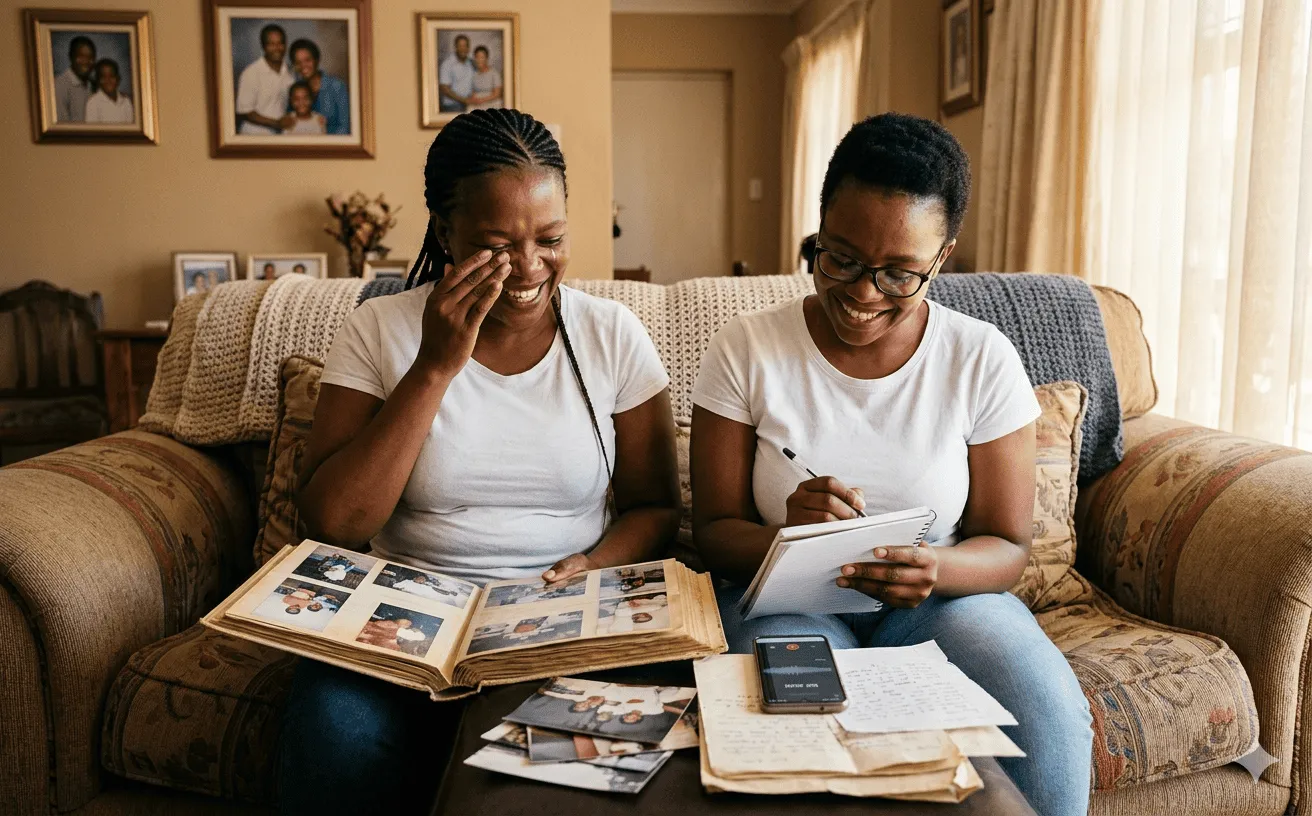
Before you write a single word, spend time gathering stories and details. Talk to family members, friends, and colleagues. Ask questions like:
- What is the first thing that comes to mind when you think of them?
- What was their favourite saying, joke, or expression?
- What did they care about most? What made them angry?
- What is a small, everyday thing they did that you will miss?
- How did they handle difficult times? What was their strength?
- What would they want people to remember about them?
- Is there a moment when they surprised you - when they did something you did not expect?
Write everything down, even if it seems small. The best material often comes from the most ordinary answers. The South African Depression and Anxiety Group (SADAG) recommends that the process of gathering stories can itself be therapeutic - it gives the bereaved an active way to process grief rather than feeling helpless.
Writing Tips for Non-Writers
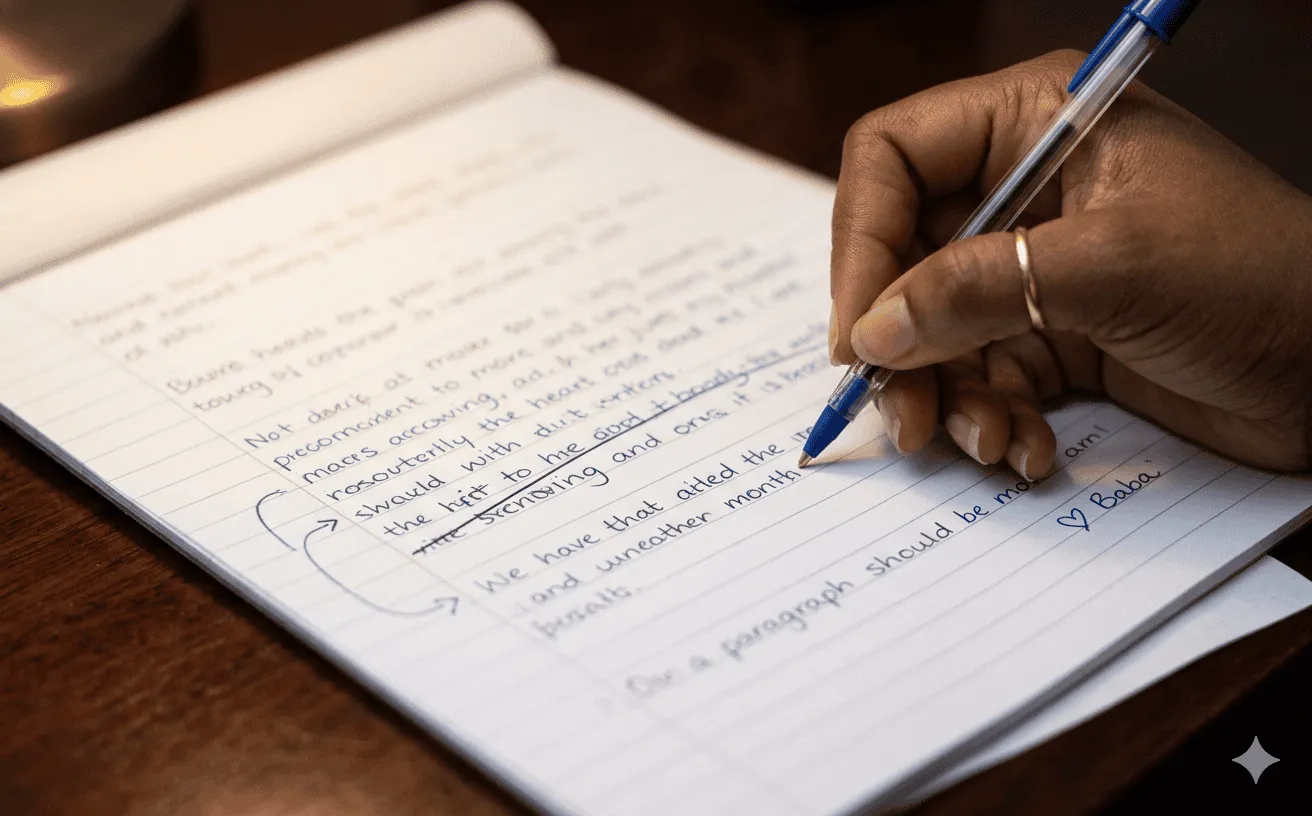
Write the way you speak
This is not a formal essay, an academic paper, or a school assignment. It is a conversation with a room full of people who loved the same person you did. Use the words and phrases you would actually say. If you naturally speak a mix of English and isiZulu, or English and Afrikaans, write it that way. Code-switching is authentic and audiences respond to it.
Start with the story first
If you are staring at a blank page, do not try to write the opening line first. Write the story - that one moment you keep replaying in your mind. Once the story is on paper, the rest of the eulogy will form around it naturally.
Use their name
Do not say "the deceased" or "the late" throughout the eulogy. Say their name. Say it often. Sipho did this. Sipho loved that. Hearing the name spoken aloud in a specific, personal context is one of the most comforting things a bereaved family can experience.
Humour is allowed
Funerals are not only about sadness. If the deceased was funny, it would be dishonest to deliver a completely sombre eulogy. A genuine laugh in the middle of a funeral service is one of the most healing moments a room can share. According to grief researchers at the University of Pretoria, humour at funerals helps mourners process loss by celebrating the person's full personality - not just the fact of their absence.
The key is tone: laugh with the deceased, not at them. Tell a story that makes people smile because they recognise the person in it.
End before you run out of steam
A common mistake is to keep adding material because every story feels important. Be selective. Three strong points are better than ten scattered ones. Leave the audience wanting more, not checking the time.
After writing your first draft, read it aloud and remove every sentence that could apply to any person in the world. If it is true about everyone ("She loved her family"), it is not specific enough. Replace it with something only she did.
Delivering the Eulogy: Practical Advice
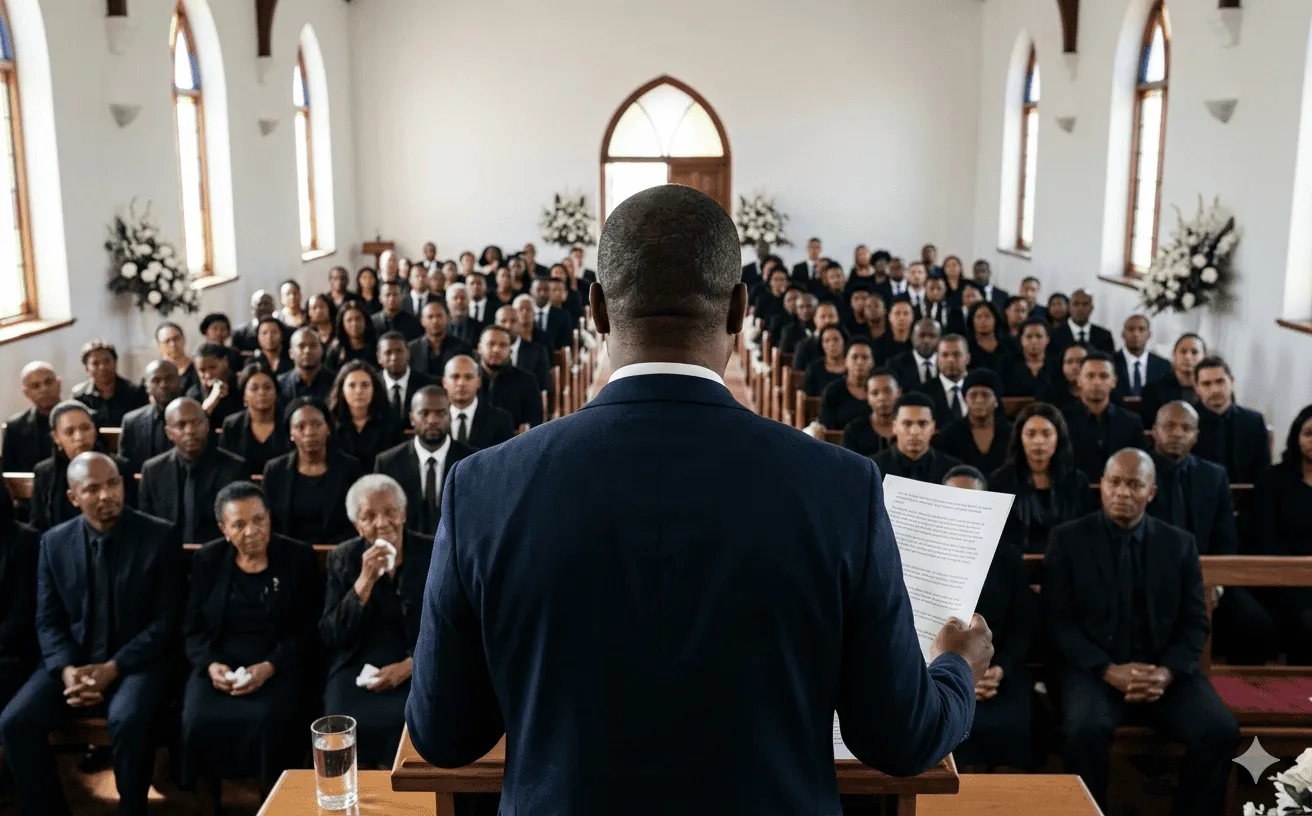
Print it in large font
Print your eulogy in 16pt or 18pt font, double-spaced. Your eyes will be blurry with emotion, and you do not want to squint at a phone screen or tiny handwriting. Number each page in case you drop the papers.
Bring water
Place a glass or bottle of water at the podium. If your voice cracks or you need a moment, take a sip. Nobody will rush you.
It is okay to cry
You will probably cry. The audience expects it and nobody will think less of you. If you cannot continue, pause, take a breath, take a sip of water, and resume. If you truly cannot finish, it is completely acceptable to hand the paper to someone else to read the remaining lines. This happens at funerals regularly and is understood.
Speak slowly
Emotions make people rush. Consciously slow yourself down. Pause at the end of each paragraph. The pauses give the audience time to absorb your words, and they give you time to breathe.
Look up
You do not need to memorise the eulogy, but try to look up - at the family, at the congregation - at least a few times. Eye contact connects your words to real people. Even a brief glance between paragraphs makes a difference.
Practice once, not ten times
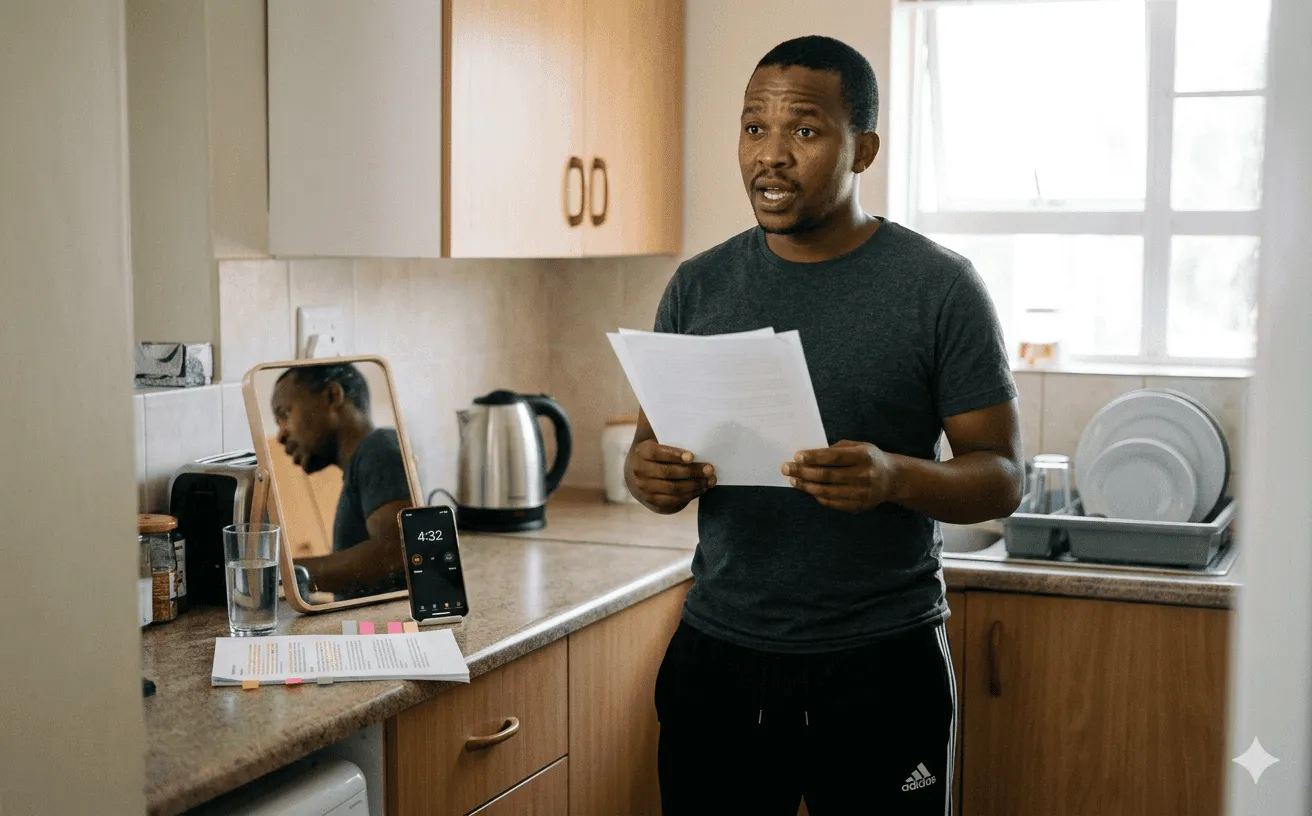
Read the eulogy aloud once or twice to check the timing and flow. Do not over-rehearse - the emotion of the moment is part of what makes a eulogy powerful, and over-polishing can strip that away. You want it to feel prepared, not performed.
Common Mistakes to Avoid

- Making it about yourself. The eulogy is about the deceased, not about your grief. Share your relationship, but keep the focus on them.
- Listing achievements like a CV. The obituary covers education, career, and milestones. The eulogy should reveal character, not credentials.
- Being vague. "He was a great man" tells the audience nothing. "He drove 300 km to help a friend without being asked" tells them everything.
- Airing grievances. A funeral is not the place to address family conflicts, past hurts, or unresolved issues - no matter how tempting.
- Speaking too long. Respect the programme and other speakers. Five focused minutes will be remembered; twenty unfocused minutes will not.
- Reading from your phone. Your phone can lock mid-sentence, notifications can pop up, and the glare makes it hard to read outdoors. Print it.
Share the Eulogy Beyond the Service
Not everyone who loved the deceased can attend the funeral. A digital memorial page lets you publish the eulogy, photos, and condolence messages permanently - so distant family and friends can read your words and add their own.
Create a Free Memorial PageA Note for People Who Were Not Asked
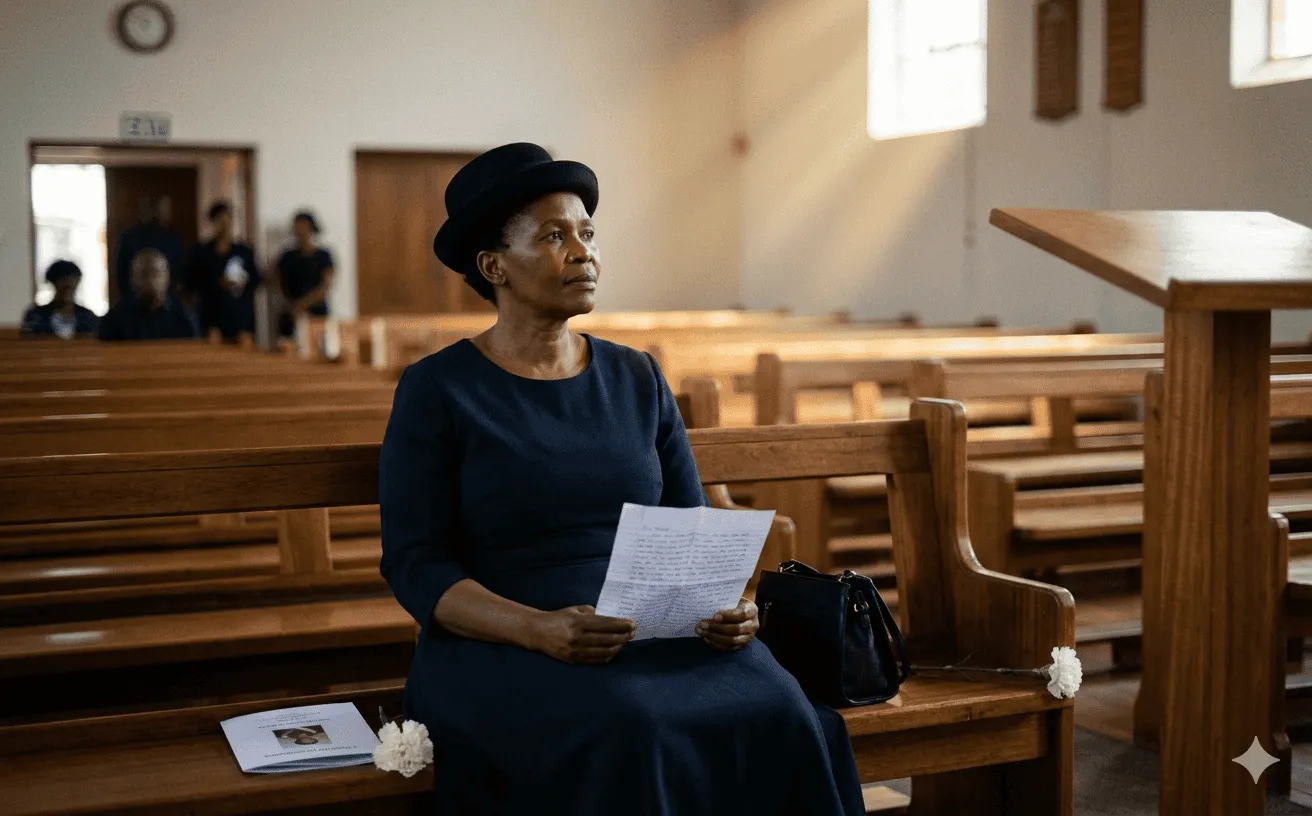
If you wanted to speak at the funeral but were not invited to give a eulogy, do not take it personally. Families must limit the number of speakers to keep the programme manageable. You can still honour the person by:
- Writing a tribute and sharing it on the memorial page
- Handing a written note to the family after the service
- Posting a message in the family's WhatsApp group
- Sharing your story at the after-tears gathering, where conversation is more informal
Your words still matter, even if they are not spoken from the podium.
Frequently Asked Questions
Can I say no if asked to give a eulogy?
Yes. If the emotional burden is too great, it is completely acceptable to decline. Offer to write your tribute instead, so someone else can read it on your behalf. The family will understand.
How many eulogies are given at a typical South African funeral?
Between 4 and 8 is common. Representatives typically include: a child or grandchild, a sibling, a close friend, a colleague, a church member, and a community leader. The MC coordinates speakers and time limits.
Can I include a poem or Bible verse?
Yes. A short poem, scripture, or proverb can anchor the eulogy beautifully - especially as an opening or closing line. Psalm 23 and 1 Corinthians 13 are widely used. Zulu proverbs like "Umuntu ngumuntu ngabantu" ("A person is a person through other people") resonate deeply at funerals.
What if I do not know the deceased well?
If you were asked to speak because of your role (employer, pastor, teacher), interview people who knew them well. Gather 2-3 specific stories and use them. Honesty about your perspective - "I knew her as a colleague for five years" - is always better than pretending a deeper connection.

Naledi Maseko is TributePoint's Memorial Planning Editor. She writes practical guides on obituary writing, funeral preparation, funeral costs, and the administrative steps South African families face after a loss.
Also helpful: Create a TributePoint memorial page when you are ready to share service details, or explore more practical support in our South African funeral guides.